Air Balance Services Explained: Securing Comfort and Efficiency
Air balance services play a crucial role in optimizing HVAC system performance. Through precise airflow regulation, these services resolve frequent challenges such as uneven temperatures and moisture imbalances. Professionals assess systems to identify imbalances and implement solutions, leading to improved energy efficiency. A large number of building managers disregard these services, unacquainted with their considerable value. Recognizing these factors can dramatically improve interior spaces, yet what particular indicators suggest the necessity for professional attention?
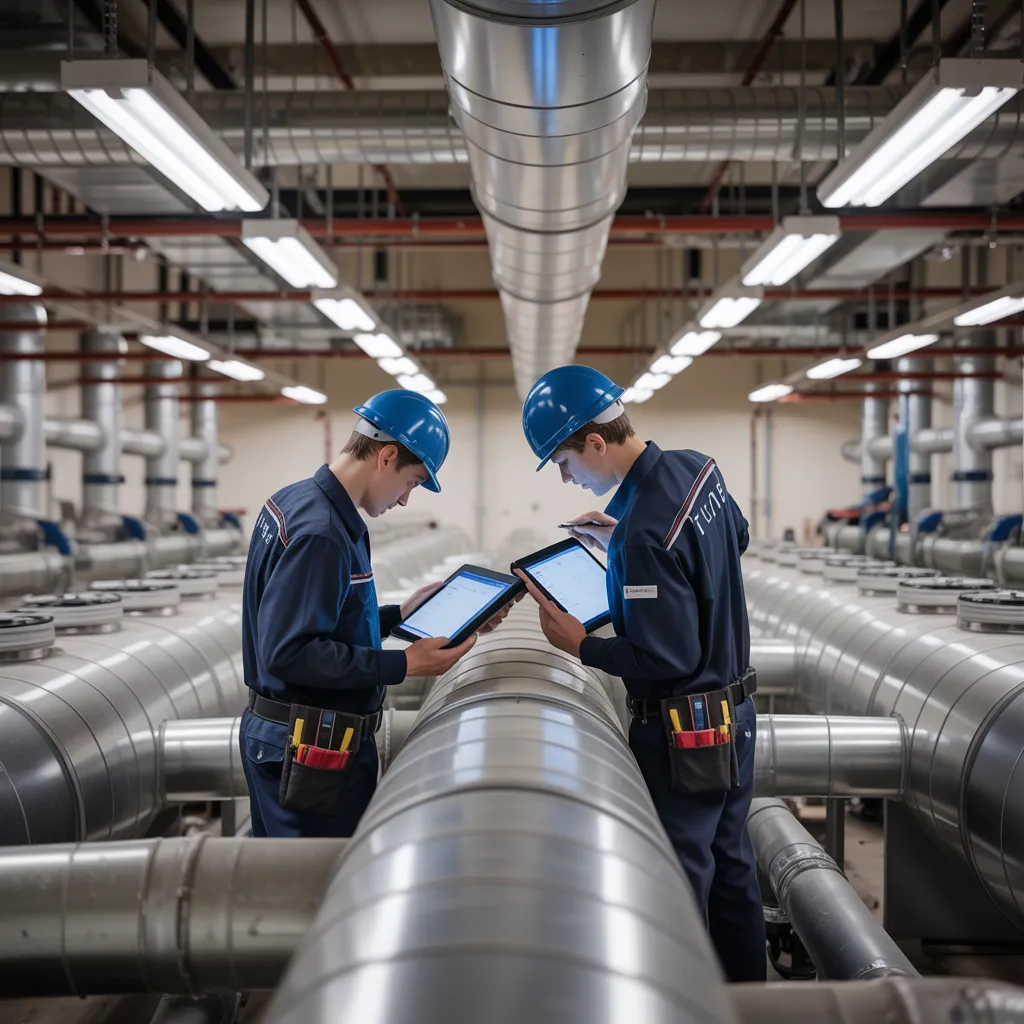
Ways Air Balance Services Address Common HVAC Problems
Air balance services effectively address common HVAC issues by providing perfect air circulation throughout a building. By analyzing and regulating airflow distribution, these services optimize system operation and occupant comfort. When airflow balance is achieved, temperature variations between rooms are minimized, preventing hot or cold spots. This produces more consistent heating and cooling, boosting the system's overall energy effectiveness.
In addition, air balance services can detect and correct issues such as excessive noise from ducts or inconsistent pressure levels, which can put stress on the HVAC system. By optimizing airflow, these services reduce energy consumption, effectively decreasing energy costs. Improved air quality is an additional advantage, as proper ventilation reduces the accumulation of pollutants. Consistent air balancing maintenance not only increases the longevity of heating and cooling systems but also confirms that they run at maximum efficiency. To conclude, air balancing services play a vital role in establishing a comfortable and energy-efficient interior living space.
Signs Your HVAC System Needs Air Balancing
Signs that an HVAC system may need air balancing include inconsistent temperature levels throughout various rooms and unusually high noise levels while running. These signs often point to improperly controlled airflow, leading to reduced comfort and decreased efficiency. Addressing these signs promptly can enhance overall system performance and indoor comfort.
Uneven Temperature Distribution
A notable indicator that an HVAC unit may need air balancing is irregular temperature distribution throughout a building. This issue often appears as certain rooms being too warm or too cool compared to surrounding areas, leading to discomfort for inhabitants. It is often caused by various factors, including improperly sized ducts, obstructed vents, or uneven airflow. When air circulation is uneven, some areas may receive excessive heating or cooling, while others remain inadequately conditioned. Homeowners might notice that thermostats display different temperatures in various rooms, indicating this inconsistency. Resolving uneven temperature distribution not only enhances comfort but also increases energy efficiency, as the system works harder to compensate for these discrepancies. Prompt air balancing can resolve these issues effectively.
Elevated Noise Levels
Unusually high noise levels from an HVAC unit can signal the necessity of air balancing. When an HVAC system operates outside its designed noise thresholds, it may indicate underlying issues connected to airflow. High-frequency whistling or clanking noises often stem from imbalanced ductwork, limiting airflow and placing stress on the system. This can cause increased energy consumption and potential damage over time. Homeowners may also notice irregular noises throughout various rooms, pointing to inconsistent airflow pressure. Resolving these sound issues with expert air balancing can boost general system effectiveness and indoor comfort. Regular maintenance and attention to noise levels can aid in avoiding additional issues, guaranteeing a quieter and more efficient HVAC performance.
Enhancing Energy Efficiency Via Air Balance Services
Improving air balance services can significantly boost energy efficiency in both homes and commercial facilities. By ensuring that HVAC distribution systems maintain proper balance, building operators can decrease energy inefficiency and reduce utility costs. When air flow is uneven, certain areas may face heating and cooling imbalances, leading to increased energy consumption as climate control systems operate harder to sustain comfortable temperatures.
Air balancing effectively requires measuring and regulating airflow distribution to ensure that every area obtains the correct volume of treated air. This simultaneously boosts comfort and lengthens the lifespan of HVAC systems, as they perform at higher efficiency levels. Furthermore, properly balanced air systems contribute to improved indoor air quality, decreasing the demand for extra ventilation and filtration systems. As a result, the implementation of air balance services serves as a valuable long-term investment, supporting sustainability while maximizing the operational performance of heating and cooling systems.
What to Anticipate During Air Balancing
What does the air balancing process typically involve? The service usually commences with a detailed assessment of the HVAC system. Specialists examine ductwork, air circulation, and temperature differences throughout the area. With the help of specialized tools, they calculate air pressure and flow rates to detect imbalances.
When data is collected, technicians make adjustments to the system, which may involve recalibrating dampers or modifying duct sizes. This secures a uniform flow of air, improving both comfort and efficiency.
During the process, trained professionals can also inspect for leaks and inefficiencies, providing recommendations for improvements or repairs.
After adjustments, subsequent measurements verify that the system functions effectively. In certain instances, a comprehensive report summarizing findings and changes made may be furnished. In general, the air balancing process is try this designed to establish a comfortable atmosphere while enhancing energy efficiency, ultimately leading to reduced expenses for the property owner.
How to Select the Ideal Air Balance Service for You
Selecting the best HVAC balancing service is crucial for maintaining optimal HVAC operation and comfort. When evaluating a provider, homeowners should first evaluate the provider's expertise and certifications. A reliable provider typically possesses credentials and comprehensive expertise of HVAC systems.
Additionally, it is important to review customer feedback and testimonials. This information can provide valuable insights into service standards and customer satisfaction levels. Additionally, requesting multiple estimates enables you to compare rates and available services, guaranteeing a budget-friendly decision.
Find out about the particular techniques and equipment the service uses for balancing airflow. Modern technology can lead to more accurate results. Lastly, consider the provider's customer care and responsiveness. A helpful and experienced team can improve the entire process. By considering these key elements, individuals can reach a well-informed choice, ultimately leading to better air quality and enhanced comfort indoors.
Dispelling Common Myths Surrounding Air Balance Services
Many misconceptions persist regarding air balance services, including the misconception that they are not required and only concerned with regulating temperatures. Moreover, some often assume quick fixes are readily available, overlooking the level of detail involved in accomplishing balanced air flow. Addressing these misunderstandings is vital for recognizing the true value of professional air balance services.
Air Balancing Is an Optional Service
Air balance services are frequently misunderstood as unnecessary, leading to considerable misconceptions about their importance in HVAC systems. Many property owners believe that air balance is only necessary during initial installations, overlooking its role in ongoing efficiency and comfort. This misunderstanding can lead to inconsistent temperatures, higher energy expenses, and reduced air quality. Proper air balance guarantees that conditioned air is evenly distributed throughout a building, addressing variations caused by design, occupancy, or equipment changes. Overlooking air balance can worsen current issues and introduce new complications, eventually undermining the system's overall performance. Understanding air balance as a vital service can considerably boost both the efficiency of HVAC systems and the overall comfort of interior environments.
Solely About Temperature
Misconceiving the range of air balance services commonly prompts many to think they only manage temperature regulation. However, air balance includes a broader range of aspects that affect indoor air quality and comfort. These services also include the distribution of airflow, humidity control, and the proper functioning of ventilation systems. By guaranteeing that air is properly circulated throughout a space, air balance services help mitigate issues like drafts, hot spots, and stagnant areas, which can all affect comfort levels. Furthermore, these services can improve energy efficiency, resulting in cost savings. Therefore, recognizing the full scope of air balance can enhance understanding of its vital role in creating a productive and pleasant indoor environment.
Quick Fix Solutions Available
Challenging the idea that air balance services provide quick fix solutions is vital for proper understanding. It is commonly assumed that these services can instantly resolve issues related to temperature discrepancies or airflow inefficiencies. In reality, air balance encompasses a detailed examination of the entire HVAC system, including ductwork, air distribution, and total system functionality. Short-term remedies may briefly relieve symptoms but do not resolve underlying problems. Successful air balance requires careful assessment and potentially significant adjustments to ensure peak comfort and efficiency. Upon understanding that air balance is not a basic temporary measure, individuals can appreciate the importance of a detailed approach to HVAC system management, ultimately producing long-term benefits in energy efficiency and indoor air quality.
Long-Term Benefits of Regular Air Balance Services
Although many people overlook the significance of air balancing services, their lasting advantages are considerable for maintaining ideal interior air quality and system efficiency. Routine air balancing services help make certain that air distribution remains even throughout an entire building, preventing uneven temperature zones that can cause indoor discomfort. This evenness not only elevates the comfort of occupants but also supports energy efficiency, effectively cutting utility costs.
In addition, effective air balancing can extend the lifespan of HVAC systems by reducing stress and deterioration. When systems run effectively, they demand less maintenance and fewer replacements, leading to substantial savings over time. Enhanced air quality also promotes healthier outcomes for residents, reducing the risk of respiratory issues and allergies. To sum up, dedicating resources to consistent air balance services pays dividends in overall well-being, comfort, and operational efficiency, making it a vital part of routine building upkeep.
Questions Our Clients Often Ask
How Often Should Air Balance Services Be Scheduled?
Air balance services should ideally be scheduled annually, or biannually for systems experiencing issues. Regular assessments help maintain peak performance, providing reliable airflow and improved energy efficiency during all heating and cooling periods.
Can Air Balancing Help Enhance Indoor Air Quality?
Absolutely, air balancing can considerably boost indoor air quality by maintaining proper air circulation throughout the space. This method effectively reduces stale air, minimizes harmful pollutants, and enhances the overall comfort of occupants, fostering a cleaner interior environment for residents and workers.
What Equipment Is Used During Air Balancing?
In the air balancing process, technicians utilize tools such as flow hoods, manometers, and anemometers. These specialized devices evaluate air pressure, velocity, and flow rates, providing ideal distribution while enhancing overall indoor comfort and air quality.
Does Every HVAC System Require Air Balancing?
Air balancing is essential for numerous HVAC systems to achieve peak performance and energy efficiency. That said, its necessity may change based on system complexity, size, and specific heating or cooling requirements within a given space.
What Is the Duration of an Air Balancing Service?
Air balancing services usually last anywhere from two to four hours, based on the size and complexity of the HVAC system. Factors like building layout and existing airflow issues can influence the total duration of the service.
Comments on “Dependable Service for Bigfork HVAC Air Balancing”